20 sonucun tümü gösteriliyor
-
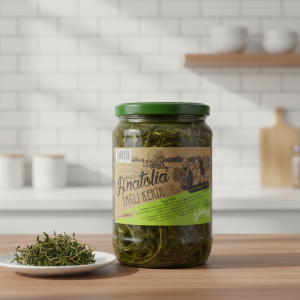
Fresh thyme, prized for its delightful aroma, flavor, and healing properties, is harvested from the high-altitude
-
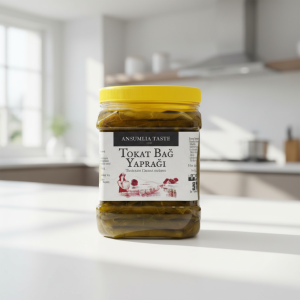
In the Tokat region, grape leaves harvested in May and June are blanched and placed in
-
Einkorn bulgur is a type of wheat with a history dating back 10,000 years, accepted as
-
Produced through natural fermentation. The products contain no additives or preservatives. Because no filtration process is
-
In the production of this pomegranate sour made from Hicaz pomegranates, 800 to 900 grams of
-
The chemical analysis of our Munzur natural spring salt, which is used exactly as it comes
-
The seed, brought from Bulgaria in 1928 through the population exchange, was passed down from generation
-
Madımak is an edible, herbaceous plant species with woody stems and small pink flowers. Harvested in
-
Produced by the locals of Hatay who practice traditional olive farming, this Halhali olive salad is
-
It is produced from natural, fresh wild thyme growing on rocky and steep parts of mountains
-
Rock purslane is a low-growing, fleshy herb with long leaves that grows naturally on the seaward
-
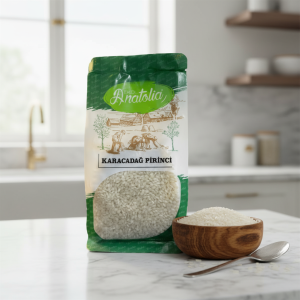
Karacadağ is an extinct volcanic mountain located on the border of Şanlıurfa and Diyarbakır provinces in
-
Pumpkins grown in Hatay differ from other pumpkins due to the region's geographical location. Having a
-
Considered the ancestor of bulgur, freekeh bulgur is a type of wheat obtained during the stage
-
Seaweed is a natural plant source belonging to the spinach family. Known as the saltiest food
-
Produced through natural fermentation. Most products sold on the market today are made using a fermenter.
-
An heirloom seed variety cultivated for years at an altitude of 1800 meters in the soil
-
A regional product unique to Antakya, walnut jam is made from green walnuts harvested in June.
-
-
The dough, meticulously kneaded and rolled out by the partners of the women's cooperative (contains eggs),